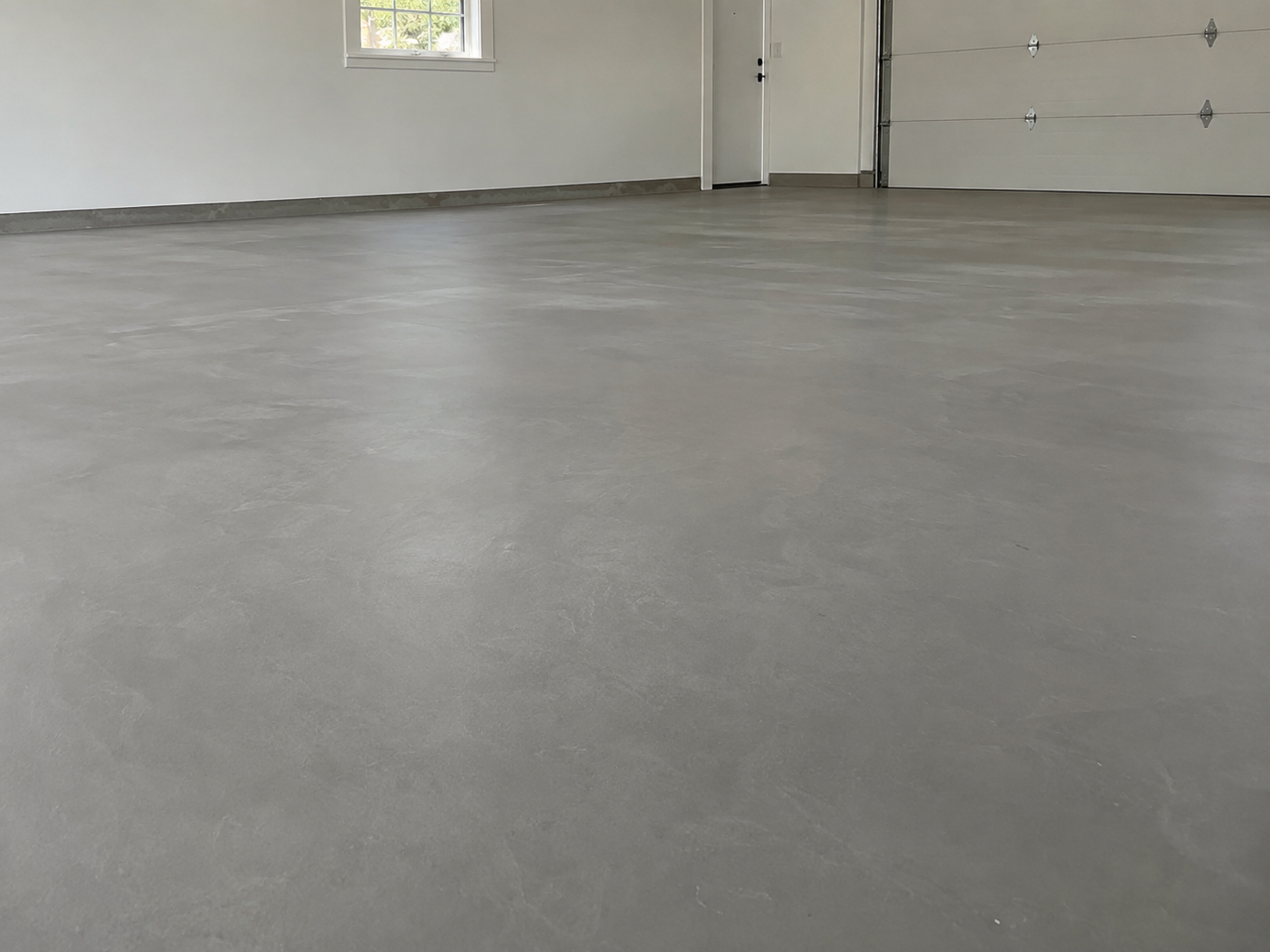
Self-Leveler Services
Inspect and assess existing concrete or subfloor for cracks, moisture, and structural issues
Grind or shot-blast high spots and rough areas to create a clean, profile-ready surface
Repair cracks, spalls, and delaminated areas with appropriate patching compounds
Test and mitigate moisture or vapor drive when needed (moisture testing and vapor barrier recommendations)
Prime the substrate to ensure proper bond of the self-leveling material
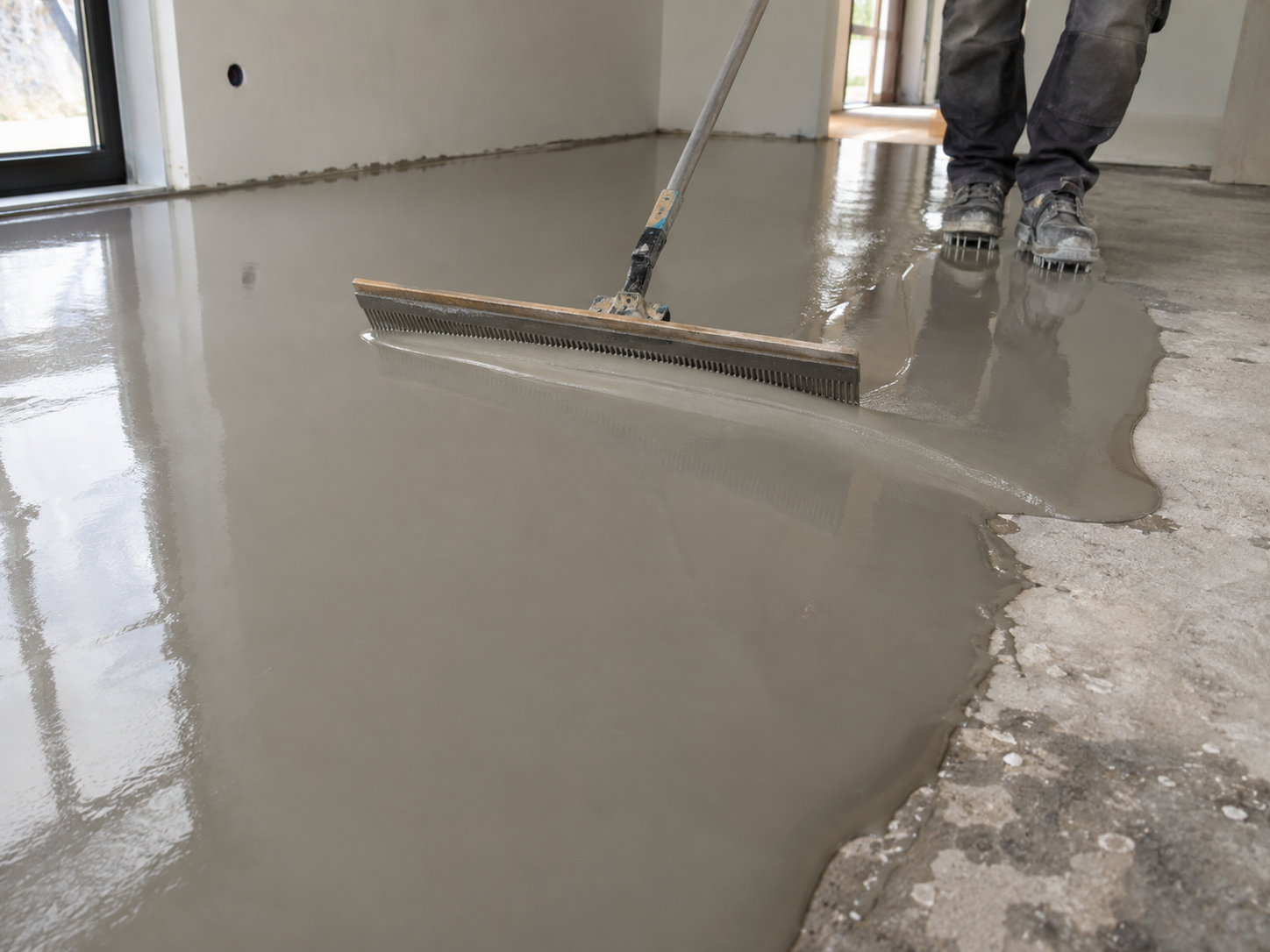
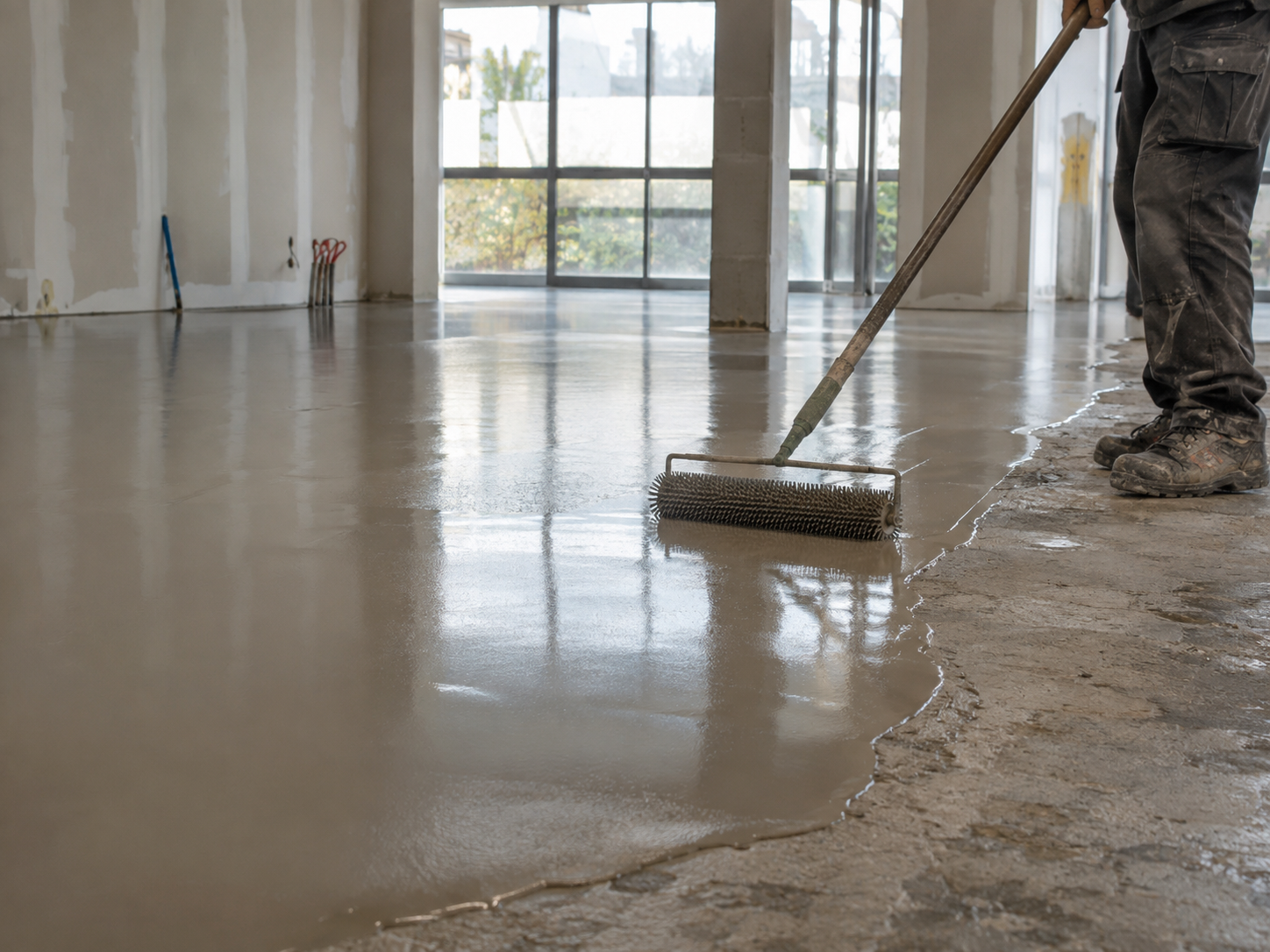
Mix and pour professional-grade self-leveling compound for rapid, smooth flow and uniform thickness
Feather, trowel, and tool edges and transitions for a seamless surface
Achieve specified flatness and level tolerances suitable for finish flooring requirements (tile, hardwood, vinyl, carpet, epoxy coatings, polished concrete, etc.)
Final curing and walk-through inspection to confirm readiness for finished flooring installation
We tailor the self-leveling approach to your project — residential or commercial — and to the type of finished flooring to be installed.
Electrostatic Dissipative (ESD) / Static-Dissipating Flooring
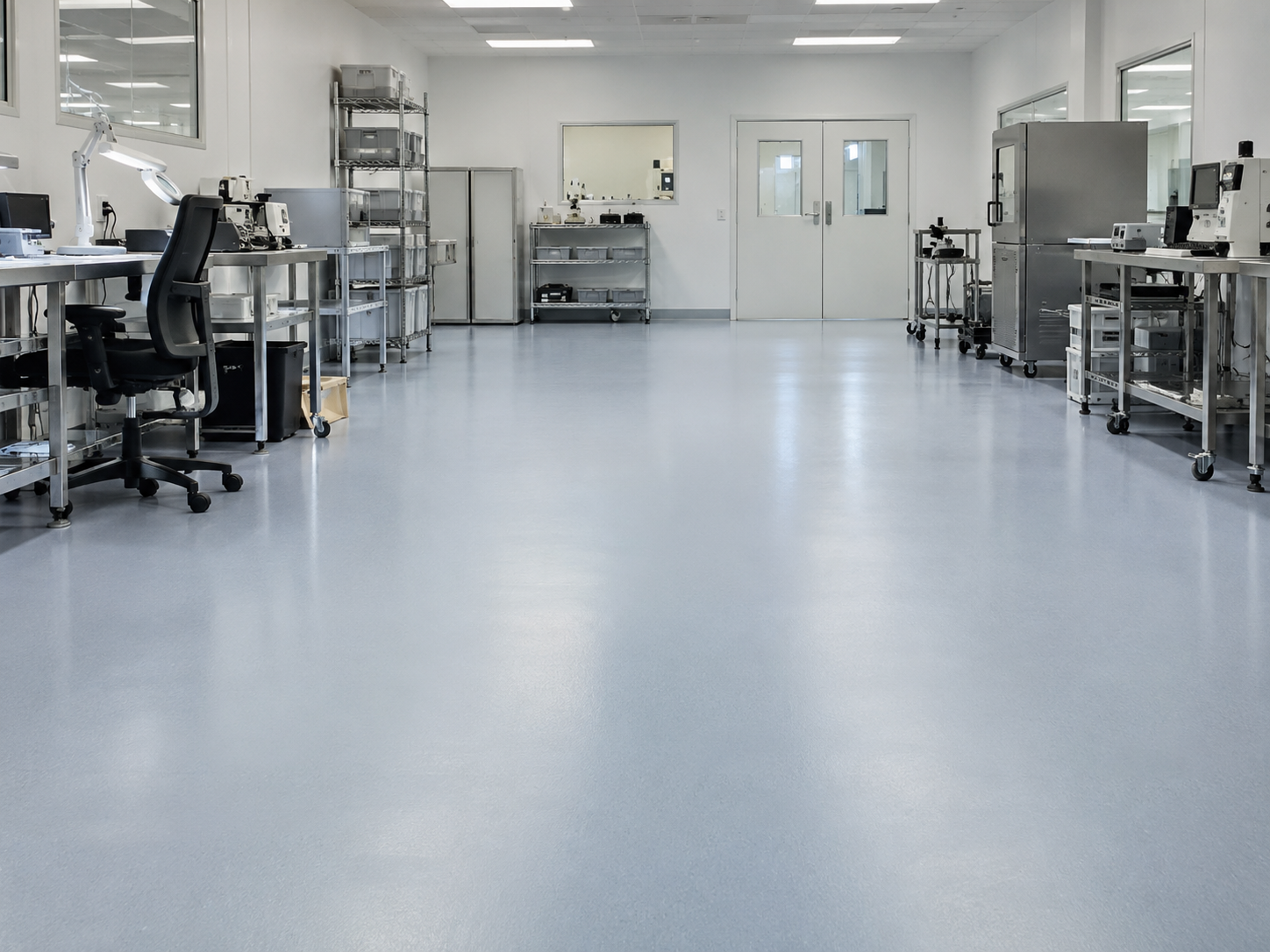
ESD or static-dissipating flooring is a specialized concrete coating designed to control and safely dissipate static electricity buildup across a floor’s surface. Instead of allowing static charges to accumulate and discharge suddenly, an ESD floor provides a controlled path to ground, reducing the risk of electrostatic discharge (ESD) that can damage sensitive electronics, disrupt equipment, or create sparks in hazardous environments.
How it works (simple):
Conductive or dissipative additives are integrated into the coating or applied as a system (primer, conductive network, and topcoat).
The floor is grounded through grounding points or a conductive grid so energy flows steadily to ground.
The finished surface has a low, measured electrical resistance that prevents charge buildup while remaining safe and functional for normal foot traffic and equipment movement.
Benefits:
Protects sensitive electronic components and equipment from ESD damage.
Reduces risk of data loss, equipment failure, and costly downtime.
Durable, easy to clean, and suitable for heavy use compared to carpet or plain concrete.
Can be installed with a smooth, attractive finish that supports operational needs.
Typical applications / where ESD floors are used:
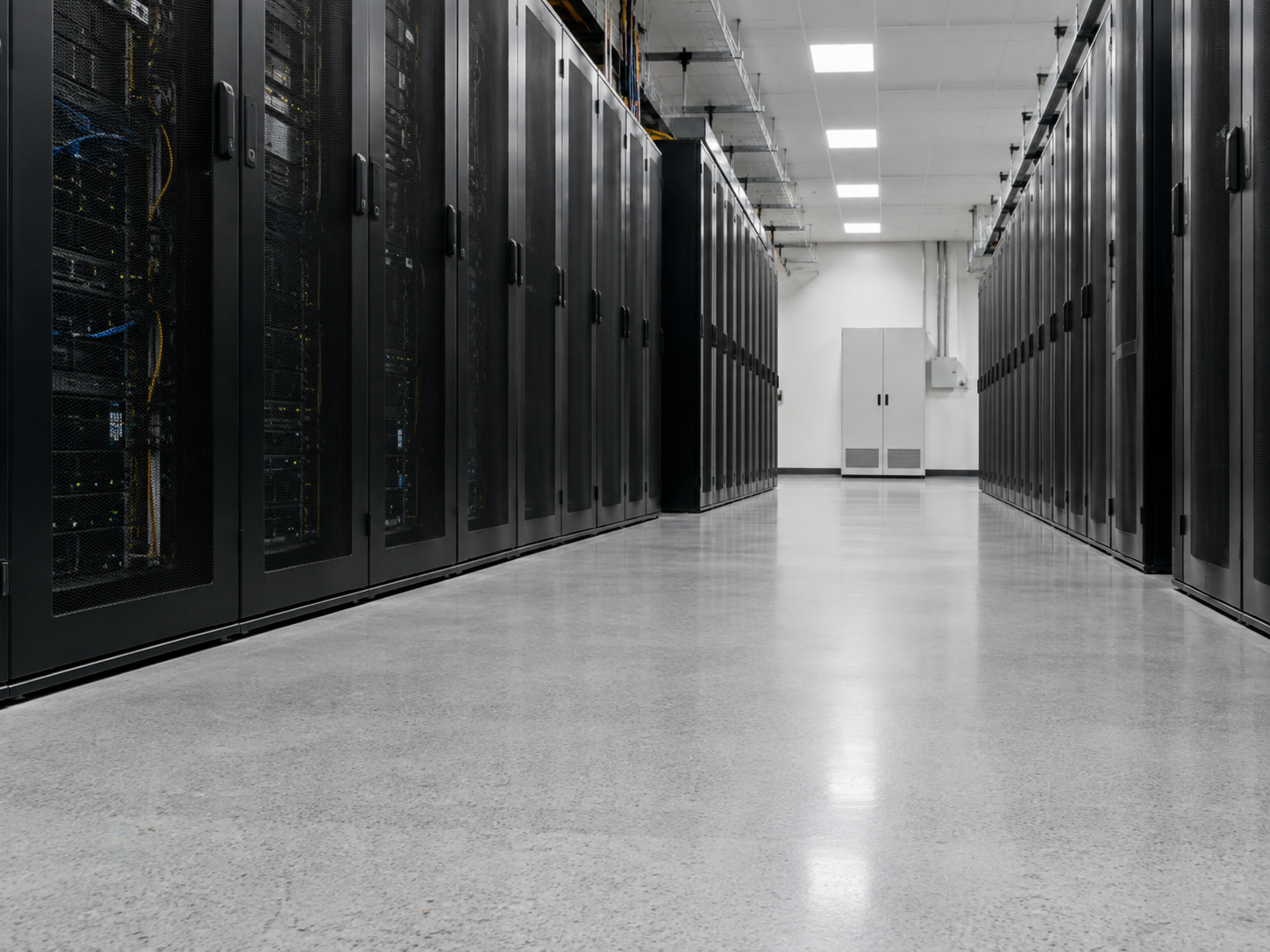
Data centers and server rooms
IT server closets and network operations centers (NOCs)
Electronics manufacturing and assembly areas
Telecommunications facilities
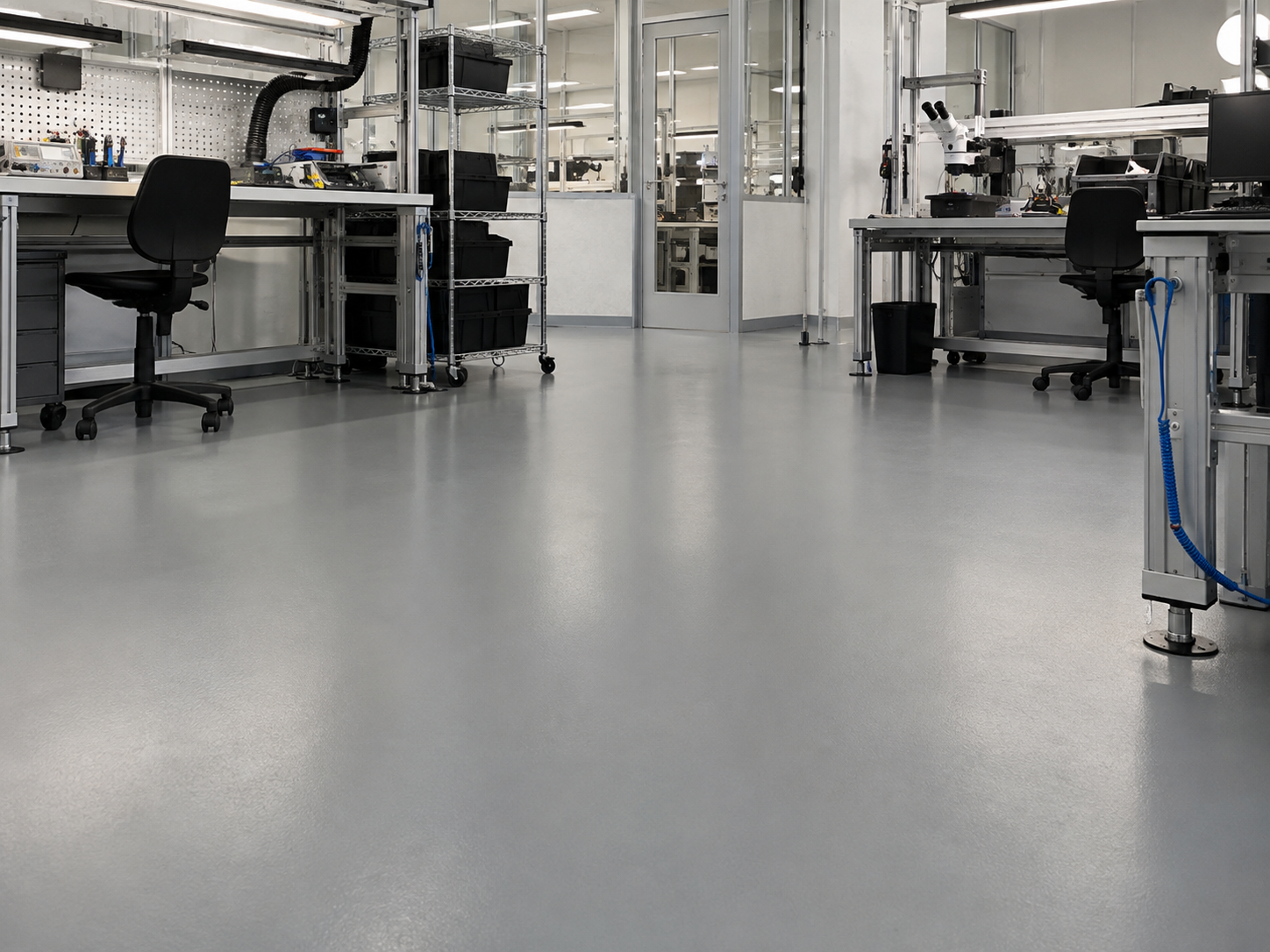
Laboratories and test equipment rooms
Cleanrooms and controlled environments
Medical device manufacturing and hospital equipment rooms
Aerospace and defense manufacturing
Printing and imaging facilities
Static-sensitive storage areas and repair shops
Redline Flooring LLC installs ESD/static-dissipating concrete coating systems tuned to your facility’s resistance requirements and grounding needs, ensuring reliable protection for sensitive equipment and safer operations.
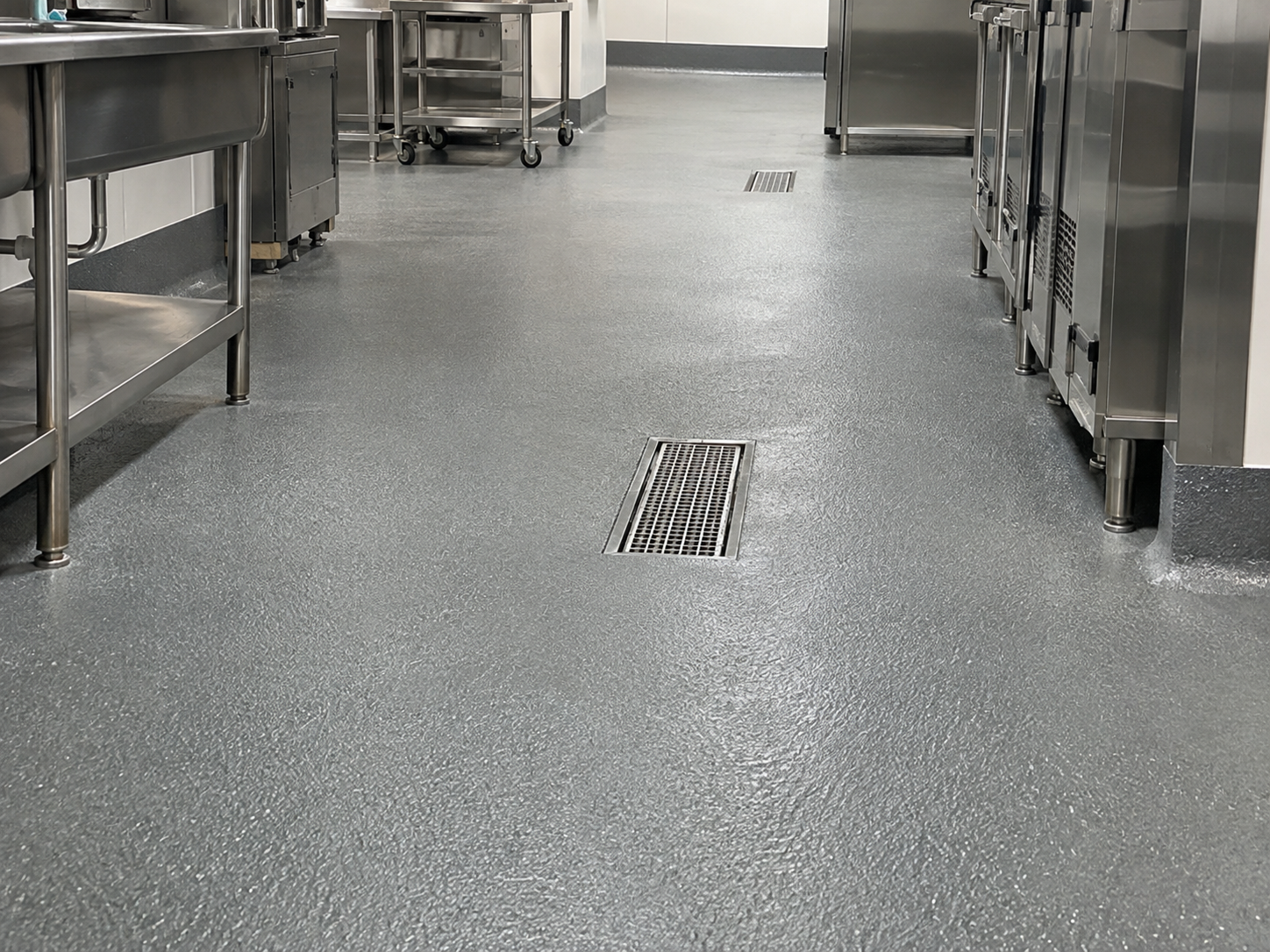
Urethane Cement
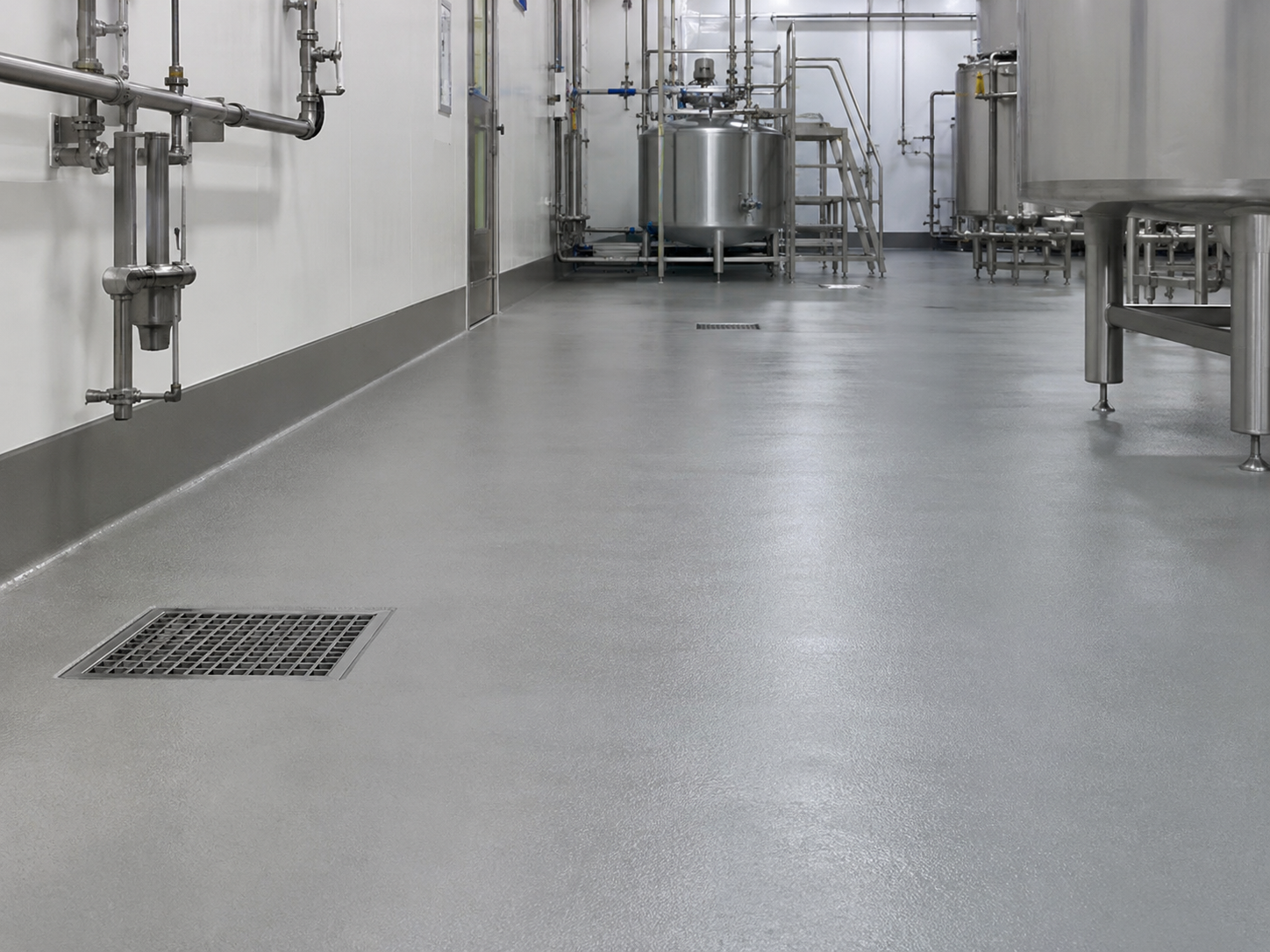
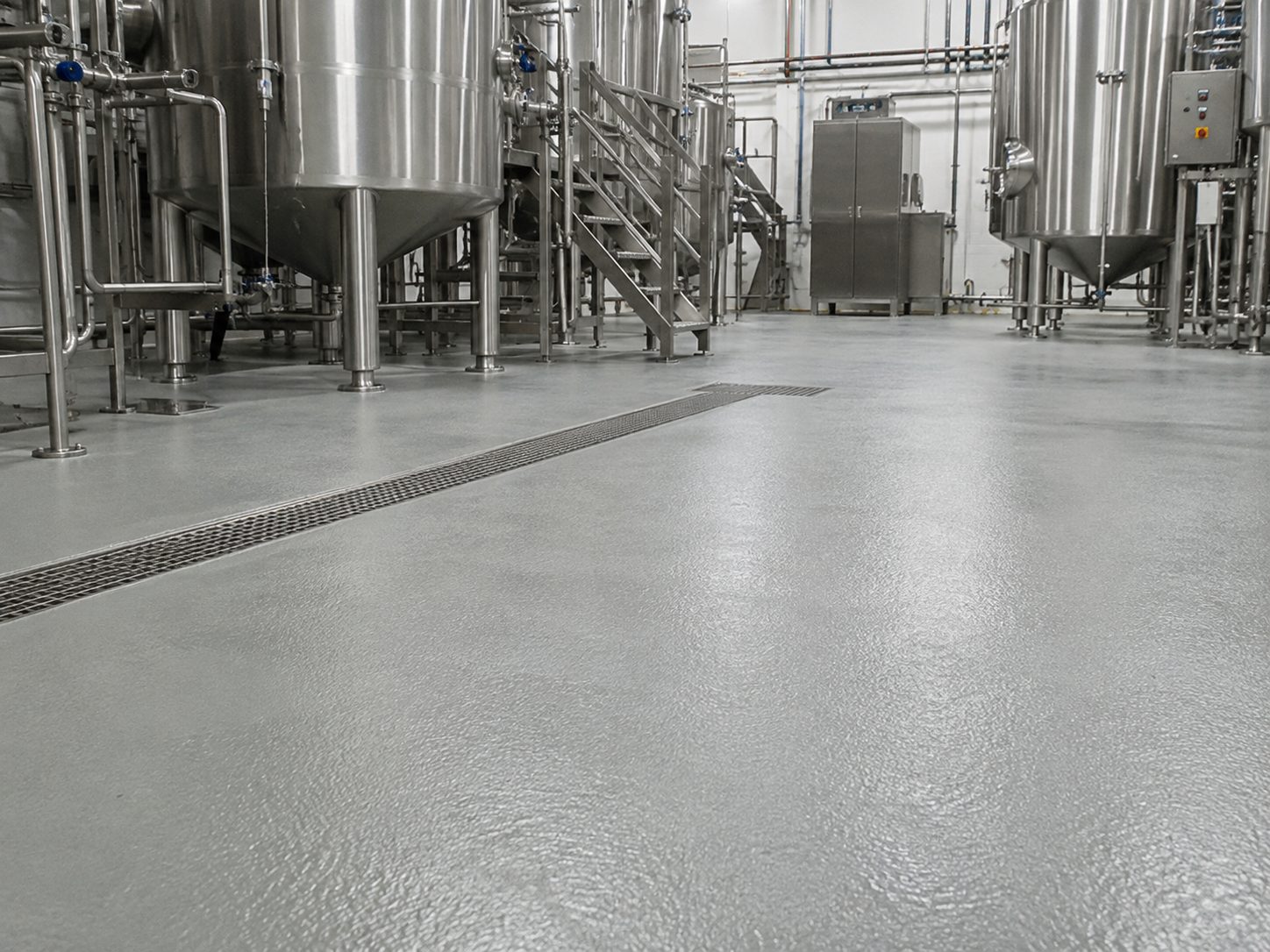
Urethane cement is a durable, high-performance floor system made by blending urethane resin with cement. It creates a rigid, chemical- and impact-resistant surface that bonds tightly to concrete, making it ideal for industrial, commercial, and heavy-use residential areas.
What we can do for you
Inspect existing concrete and recommend the best urethane cement system
Prep the floor: shotblast, diamond grind, or scarify to remove contamination and create proper profile
Repair cracks, spalls, and damaged areas with compatible patching compounds
Install primer/coating to promote adhesion between concrete and urethane cement
Mix and apply urethane cement toppings at specified thickness (typically 1/8" to 1/2" or more depending on need)
Broadcast aggregate or apply textured finish for slip resistance as required
Seal or topcoat for additional chemical resistance, UV stability, or ease of cleaning
Quality checks and final inspection; provide maintenance recommendations
Advantages of urethane cement (simple)
Excellent resistance to thermal shock — it tolerates rapid temperature changes without delaminating, cracking, or spalling
High chemical and solvent resistance for industrial environments
Very strong bond to concrete and high mechanical strength
Fast cure options available for quicker return-to-service
Good abrasion and impact resistance for heavy traffic and equipment
Can be finished smooth or textured for slip resistance
Long lifespan with proper installation and maintenance
If you want a custom recommendation for your space (thickness, finish, or cure time), we can assess the area and provide a specification and estimate.